
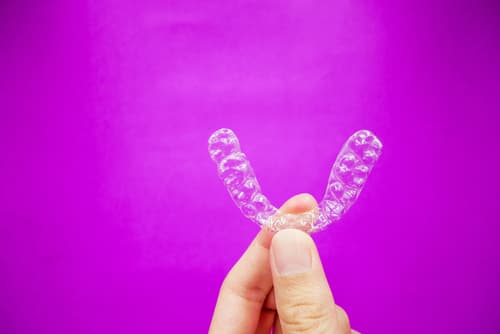
Retainers are an essential part of orthodontic treatment. This appliance keeps all those months and yeaRetainers are an essential part of orthodontic treatment. This appliance keeps all those months and years of careful, deliberate movements in place so patients can maintain a straight, healthy smile for life. A retainer is molded to the patient’s teeth and easily snaps into place, but sometimes there is discomfort or questions about fit, which means it’s time to contact your orthodontist.
Does the Retainer Fit Too Tight or Too Loose?
Fit changes usually indicate one of the following retainer problems:
- Inconsistent retainer wear. It’s essential to wear your retainer nightly as instructed so it fits properly and does the work intended. If you haven’t been wearing the retainer consistently, do so to see if fit improves.
- Shifting teeth. As we age, teeth can move slightly, which can impact the fit of a retainer, making it essential to wear the retainer every night to keep your teeth where they’re supposed to be.
- Warped retainer. Regular cleaning and careful storage of your retainer in its case helps protect the appliance from altering in shape or being damaged.
If you have any pain or discomfort while wearing the retainer, visit your orthodontist as soon as possible to get an adjustment to your appliance or invest in a new retainer. Remember, your retainer will feel snug during early days, and if you don’t wear it for some time.
Are Your Gums Irritated or Sensitive?
For patients who have a fixed retainer, usually on their bottom arch of teeth, it’s possible for gum tissue to become inflamed or sore because of poor hygiene around the wire. Be sure to floss or use a water pik daily to get around and under the wire.
Irritation caused by a removable appliance could indicate a poor cleaning routine and a buildup of bacteria and plaque that impacts enamel health and gum tissue. Remember, even if you were an Invisalign patient, retainers are still necessary, and they should be an easy routine to manage since they’re just like clear aligners.
Is the Appliance Cloudy or Discolored?
Retainers are not self-cleaning, just like teeth, and there are best practices for keeping this important appliance clean and effective.
- Clean. Do not clean with hot or boiling water, mouthwash, abrasive toothpaste, or strong detergents. Use only retainer cleansers.
- Rinse. A 10-second daily rinse in lukewarm water helps clean off dried plaque, saliva, and food particles.
- Inspect. If you follow best practices for retainer cleanliness but it still has odors or discoloration, consult your orthodontist. There may be microscopic cracks allowing bacteria to linger.
Is Your Retainer Worn Out?
Visible wear and tear are an indication that your retainer is worn and you may need a replacement or have retainer problems. If you see any of the following issues, contact your orthodontist:
- Holes
- Chips
- Cracks
- Scratches
- Warping
- Flimsiness
Avoid Retainer Problems with Help from Lawrenceville Orthodontists
Every orthodontic patient needs a retainer when treatment is complete. This appliance is the powerful element that keeps your investment in orthodontia in check. If you have concerns about your appliance, contact Lawrenceville Orthodontics in Lawrenceville or Philadelphia to schedule an appointment.